Home/Articles/Technical Knowledge
Technical KnowledgeBamboo Tissue: A Sustainable Alternative and Why Responsible Raw Material Sourcing Matters for Tissue Converters
The real opportunity in sustainable tissue isn't bamboo alone — it's ensuring every fibre, whether bamboo or virgin wood pulp, is sourced responsibly. A perspective from Orient Paper.
Sharad Chanda, Tissue Head, Orient Paper and Industries Ltd.·21 Jul 2026·5 min read

The tissue industry is undergoing a significant transformation. Rising environmental awareness, evolving consumer expectations, and increasing regulatory focus are encouraging manufacturers and converters to rethink not only the products they offer but also the raw materials they depend on.
Among the many developments shaping the industry, bamboo-based tissue has emerged as a promising alternative. However, the conversation should not stop at bamboo alone. The real opportunity lies in ensuring that every fibre used in tissue production — whether bamboo or virgin wood pulp — is sourced responsibly and sustainably.
The Rise of Bamboo as a Tissue Fibre
Bamboo has attracted global attention because of its unique environmental characteristics.
Unlike conventional trees, bamboo is one of the fastest-growing plants on earth. Many species reach maturity within 3–5 years, require minimal replanting, and can thrive with relatively lower inputs of water and pesticides. These characteristics make bamboo an attractive renewable fibre source when managed responsibly.
For tissue applications, bamboo offers excellent softness and consumer comfort, good absorbency characteristics, strong environmental appeal, diversification of fibre sources, and reduced dependence on conventional forest resources.
As technology advances, bamboo pulp continues to improve in terms of quality and consistency, making it increasingly suitable for premium tissue grades.
Sustainability Begins Before the Tissue Machine
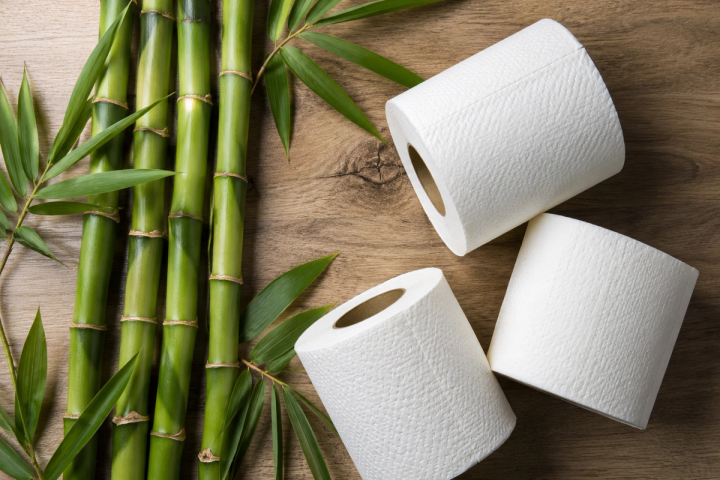
Consumers often judge tissue products by softness, strength, and appearance. Yet the true environmental impact begins much earlier — with the origin of the fibre.
Whether the raw material is bamboo or wood pulp, responsible sourcing should include legally harvested fibre, traceable supply chains, protection of biodiversity and natural ecosystems, responsible forest or plantation management, and compliance with internationally accepted certification standards.
Sustainability is no longer merely a marketing message; it is becoming an operational requirement.
Why Responsible Sourcing Matters for Tissue Converters
For tissue converters, raw material selection influences far more than production costs.
Consistent Product Quality
High-quality, responsibly produced pulp delivers better fibre characteristics, resulting in improved softness, tensile strength, absorbency, and machine runnability. Consistency in fibre quality reduces process variations and improves finished product performance.
Supply Chain Reliability
Converters depend on uninterrupted raw material availability. Working with reputable suppliers who maintain sustainable sourcing practices often provides greater long-term supply stability and lower procurement risk.
Regulatory Readiness
Global regulations such as the EU Deforestation Regulation (EUDR) demonstrate that traceability and responsible sourcing are becoming mandatory in many markets. Converters who prepare early will be better positioned for international business opportunities.
Brand Reputation
Institutional buyers, retailers, hotels, restaurants, hospitals, and corporate customers increasingly evaluate environmental credentials alongside price and quality. Products backed by responsibly sourced fibres strengthen customer confidence and brand value.
Future-Proofing the Business
Sustainability is no longer a niche initiative — it is becoming a core business strategy. Companies that invest today in responsible sourcing are likely to be more competitive tomorrow.
Bamboo Is Part of the Solution — Not the Entire Solution
Responsibly managed virgin wood pulp certified through recognised sustainability programmes, recycled fibre where technically appropriate, and bamboo all have important roles to play in building a balanced and resilient fibre portfolio.
The industry's objective should not be choosing one fibre over another, but selecting the right fibre from responsibly managed and verifiable sources.
The Way Forward
The tissue industry has always balanced performance, hygiene, and affordability. Today, sustainability has become the fourth pillar of success.
As converters, manufacturers, and suppliers work together, greater transparency in raw material sourcing will become a key differentiator. Investing in sustainable fibre is not simply an environmental responsibility — it is an investment in product quality, customer trust, supply chain resilience, and long-term business growth.
Whether the fibre originates from bamboo plantations or responsibly managed forests, every roll of tissue begins with a decision about sourcing. Making that decision wisely will define the future of our industry.
Because sustainability is not determined by the fibre alone — it is determined by how responsibly that fibre reaches the tissue machine.
Sharad Chanda is Tissue Head at Orient Paper and Industries Ltd., one of India's largest tissue paper manufacturers and part of the CKA Birla Group. Orient Paper produces tissue paper from virgin wood and bamboo pulp, supplying converters across India and export markets globally. orientpaper.in
The Tissue Industry Review is an independent editorial publication covering the tissue conversion and paper products manufacturing sector in India and globally.
/ RELATED ARTICLES
Keep Reading

Technical Knowledge
Laminated Tissue Napkins: What They Are, Who Buys Them, and Why the Margin Makes Sense
Laminated tissue napkins sell at ₹1.60–₹2 per piece. Standard 2-ply costs ₹0.91 to produce at the same size. Same paper, same GSM — here's what lamination adds.
29 Sept 2026· 6 min read

Technical Knowledge
B-Fold Napkins: The Smarter Alternative to Standard Tissue Napkins
B-fold napkins are cheaper per unit than standard 1-ply tissue, more absorbent, and more hygienic. Here's the math — and why the Indian market hasn't caught up yet.
25 Sept 2026· 6 min read

Technical Knowledge
What Raw Materials Does a Paper Napkin Machine Need?
The machine gets all the attention. The raw material decision is equally important and gets almost none. Here's what goes into a paper napkin machine — and what to get right before production starts.
18 Jul 2026· 6 min read